Ultra-processed Foods Are Harming Your Bones
One doesn't have to travel far into the internet to find helpful information on how ultra-processed foods (UPF) affect weight, metabolism, and heart health. There's even more recent data about its negative effects on cognition* and on symptom management for mental health**.
And now, a recent study reveals that the more ultra-processed foods people consume, the weaker their bones tend to be. The study shows that what we eat can harm our bones.
CONSUMPTION OF ULTRA-PROCESSED FOODS (UPF) LOWERS YOUR BONE MINERAL DENSITY
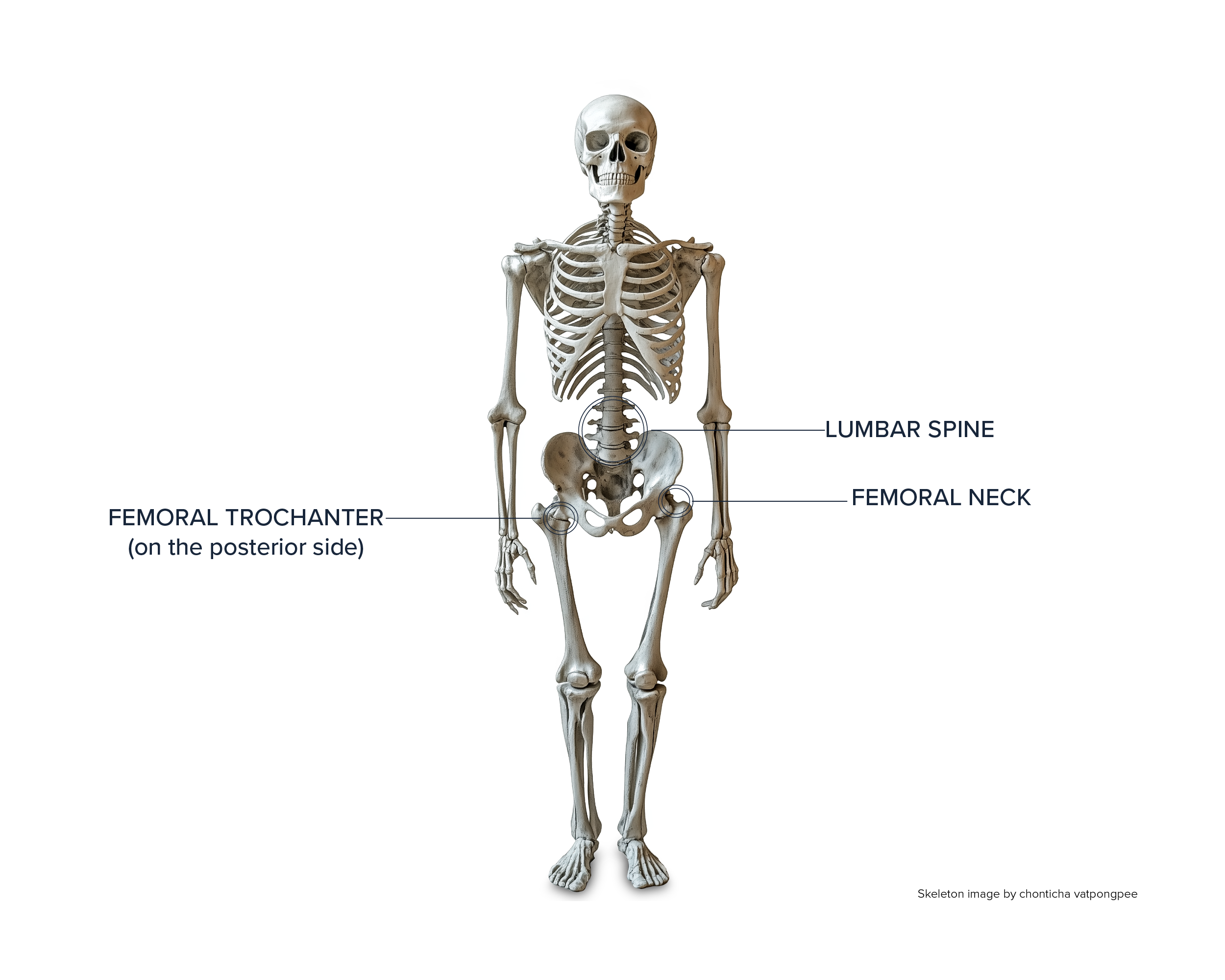
Researchers studied 163,855 people from the UK BioBank*** to see how eating ultra-processed foods (UPF) affects bone health. They looked at bone mineral density (BMD) and the risk of fractures over 12 years. The study found that people who ate more UPF had lower BMD in important areas like the femoral neck, femoral trochanter, and lumbar spine.
The drop in BMD was significant, especially for people under 65 and those who are underweight. Low BMD raises the chance of fractures, which can cause serious health problems, especially for older adults. The study also found that a typical increase in UPF (the average amount most people in the study ate) increased the risk of hip fractures by 10.5%, and the risk of any other fracture rose by 2.7%.
EAT WHOLE FOODS FOR BONE HEALTH
Cutting back on ultra-processed foods will help keep your bones healthy and lower your risk of fractures. This study shows that eating well is important for preventing bone issues and can help shape public health advice about better food choices.
DIET IS KEY TO LONG-TERM MOBILITY, STRENGTH, AND INDEPENDENCE
When I talk with patients about their bone scans, we always discuss diet and nutrition. Naturopathic doctors have always looked at how eating nutrient-rich foods supports overall health. Recent studies like this one remind us that diet is key for long-term mobility, strength, and independence.
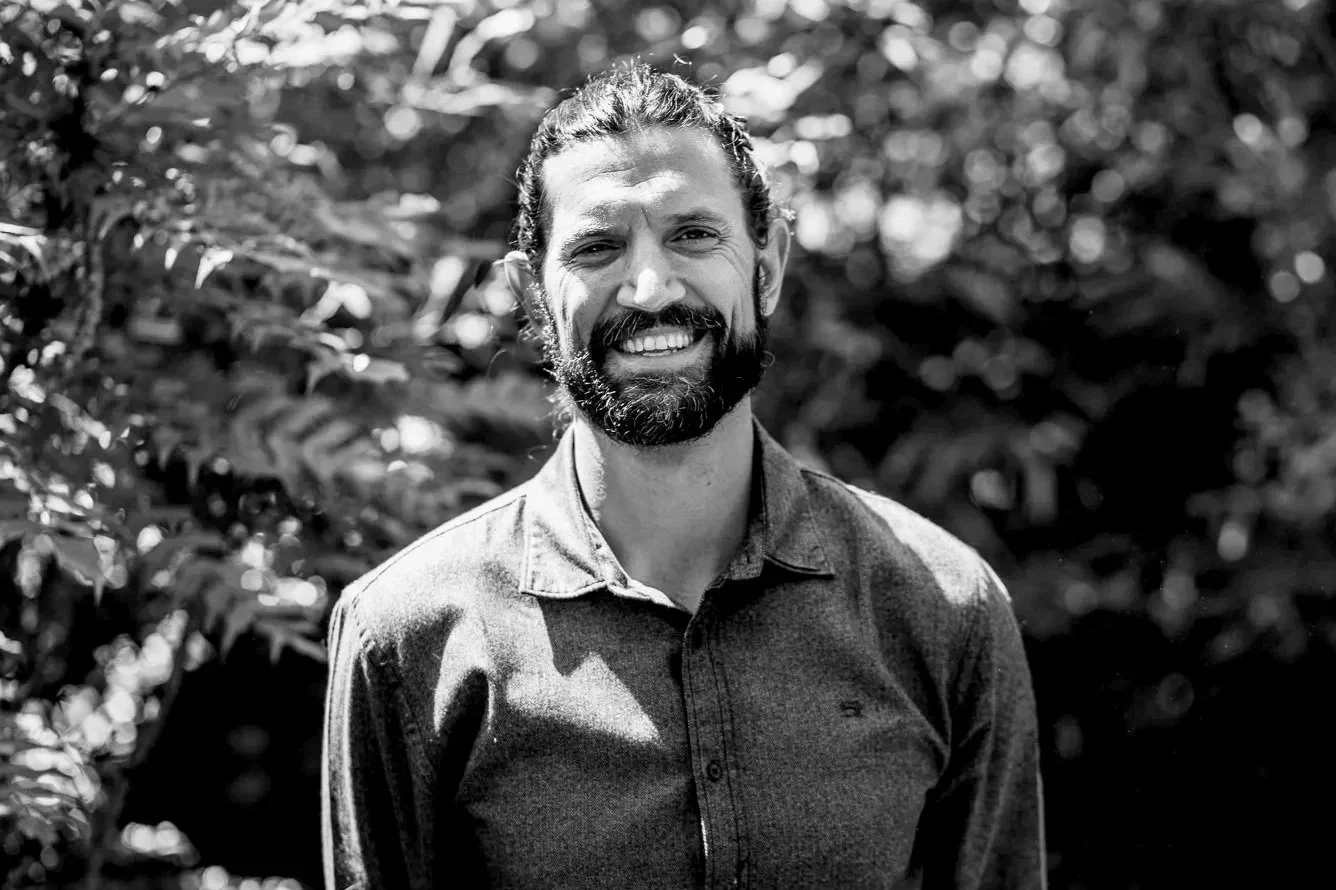
Dr. Todd Levins, ND
Todd's dedication to bone health stems from his belief that evidence-based knowledge can counteract the prevailing climate of fear and frailty surrounding osteoporosis. His goal is to empower individuals to maintain freedom of movement and physical confidence throughout every stage of life.
Dr Levins completed a BSc in Biology at the University of Victoria and went on to complete his Doctor of Naturopathic Medicine at the Canadian College of Naturopathic Medicine in Toronto.
Dr. Levins is one of BoneHealth BC’s two NDs offering Naturopathic Medical Review of REMS scans, helping our patients understand the initial bone health management protocols based on your BMD, T-SCORE, Z-SCORE, and FRAGILITY SCORE.
*Nature Aging in 2023 by researchers at the University of Barcelona
**JAMA Network Open in 2023 by researchers from the University of São Paulo
***The UK Biobank is a large-scale biomedical database and research resource containing in-depth genetic and health information from half a million UK participants. Launched in 2006, it aims to improve the prevention, diagnosis, and treatment of a wide range of serious and life-threatening illnesses by making this data available to approved researchers worldwide.
